Does Home Insurance Cover Tree Removal? Equipment, and What Every Homeowner Should Know
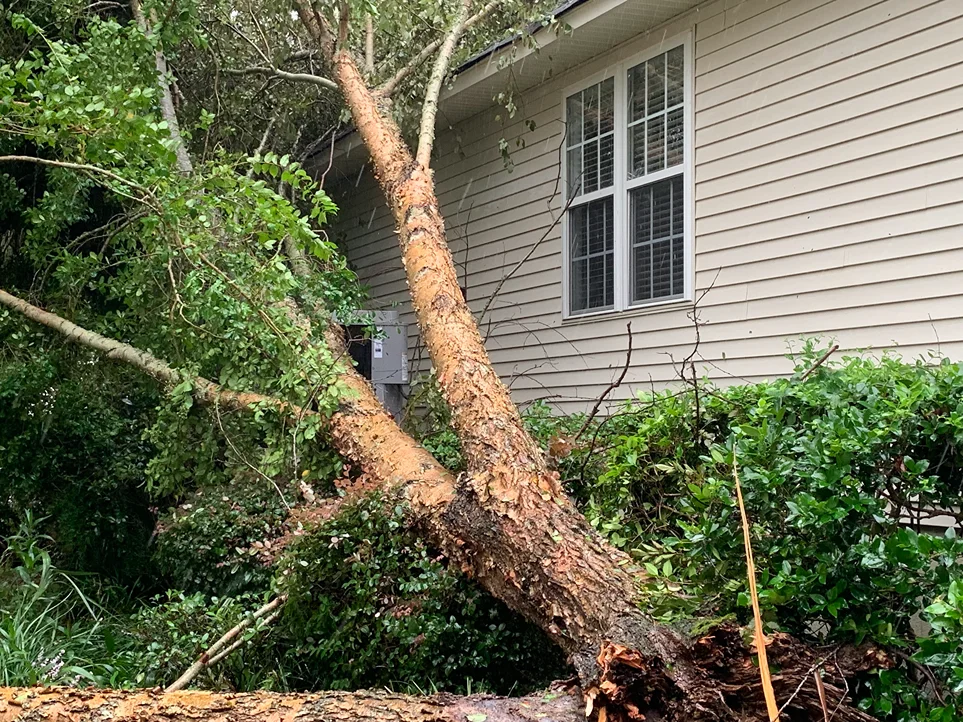
When a storm strikes or an old tree unexpectedly falls, the first question many homeowners ask is: ‘Does home insurance cover tree removal?’ It’s a smart question, because tree removal can be an expense, and knowing how your insurance works can save you time, stress, and unnecessary costs.
In this blog, we’ll walk through everything you need to know about when your policy covers tree removal, what affects tree removal cost, how to handle cleanup safely, and why using proper tree removal equipment, and trained professionals, is essential for protecting your property.
Understanding When Home Insurance Covers Tree Removal
Home insurance covers tree removal only under specific circumstances. The general rule: if a tree damages a covered structure, like your home, garage, or fence, your insurance will pay for removal and repairs.
Covered Situations
- A fallen tree damages your home or another insured structure.
- The tree blocks access to your driveway or primary entrance.
- A neighboring tree falls onto your property and causes damage.
Not Covered
- Tree falls without damaging property.
- Preventive or routine removal.
- Neglect or poor maintenance (like a diseased tree ignored for years).
The Role of Tree Removal Insurance
Tree removal involves specialized work that can be dangerous. This is why professional companies carry tree removal insurance, including general liability and workers’ compensation coverage.
Hiring a company that’s fully insured and certified ensures you’re protected if something goes wrong on-site. In South Carolina, not every company is required to carry this insurance, so it’s crucial to verify it before work begins.
At New Leaf Tree Service, we maintain both WC and GL insurance, keeping our clients fully protected during every project.
Tree Removal Cost: What Affects the Price?
The tree removal cost depends on several key factors, including tree size, location, and overall condition.
1. Tree Size
- Small trees (under 30 feet): $$
- Medium trees (30-60 feet): $$
- Large trees (over 60 feet): $$
2. Tree Health
Dead or diseased trees are riskier to cut and may require additional equipment for stability.
3. Accessibility
If the tree is near power lines, structures, or in a hard-to-reach area, removal requires more time, care, and often cranes, raising the cost.
4. Stump Removal
Grinding or removing the stump usually costs extra, depending on the diameter and depth.
5. Emergency or Storm Damage
Urgent removals after storms often cost more due to the immediate response and added safety measures.Get a written estimate before any work begins. New Leaf Tree Service provides free, no-obligation quotes for all tree removal projects.
Tree Removal Equipment: What Professionals Use
Professional tree removal involves much more than a chainsaw. Certified arborists use specialized tree removal equipment to ensure precision, safety, and efficiency.
Common Equipment Includes:
- Cranes and lifts: Safely lower large limbs from tall trees.
- Ropes and rigging systems: Prevent damage to nearby property.
- Chainsaws and pole saws: Used for clean, controlled cuts.
- Stump grinders: Remove roots and stumps to below ground level.
- Protective gear: Helmets, gloves, and harnesses to keep workers safe.
Attempting to remove a large or storm-damaged tree without proper tools, or experience, can lead to serious injury or property damage. Always leave hazardous removals to certified professionals.
How to Remove a Tree Safely
If you’re considering tackling a small tree on your own, safety should be your top priority. Here are a few essential steps to follow:
Step 1: Assess the Tree
Check for disease, lean, or nearby obstacles. If the tree is close to structures or power lines, stop and call a professional.
Step 2: Gather the Right Equipment
You’ll need a chainsaw, safety gear, wedges, and possibly a rope for directional control.
Step 3: Plan the Felling Direction
Determine where the tree should fall and clear that area of people, vehicles, and property.
Step 4: Make Proper Cuts
Use a notch and back cut technique to control the direction of the fall.
Step 5: Handle Cleanup Carefully
Remove debris in sections and avoid overexertion. For larger trees or complex situations, call your local tree removal company for assistance.
Preventive Tree Maintenance: The Best Way to Avoid Unexpected Costs
Regular tree maintenance services, like pruning, health assessments, and soil care, can help you prevent storm damage and avoid the need for removals.
Benefits of Routine Care:
- Identifies disease early
- Prevents branch overgrowth near homes or power lines
- Strengthens root systems
- Reduces the risk of property damage
New Leaf Tree Service provides ongoing plant health care and tree risk assessment programs to help homeowners protect their trees and property year-round.
What to Do After a Tree Falls
- Stay safe. Keep away from downed power lines and unstable trees.
- Document the damage. Take clear photos for insurance purposes.
- Call your insurance company. Start your claim as soon as possible.
- Contact a licensed tree service. Our 24/7 emergency tree services are available throughout Mount Pleasant and Charleston.
- Keep all receipts. Your insurance provider may reimburse removal or repair costs.
Why Work With a Certified Arborist?
Choosing an ISA Certified Arborist ensures that your trees are cared for properly, from removal to restoration. At New Leaf Tree Service, our certified team evaluates every situation to determine the safest, most cost-effective approach.
We’re not just here to cut trees, we’re here to protect your property, preserve your landscape, and promote long-term safety and health for your trees.
